






Red Light Therapy for Skin: A Practical At-Home Guide
At-Home Skincare Guide
Red Light Therapy for Skin: A Practical At-Home Guide
Skincare routines are no longer limited to cleansers, moisturizers, and serums. Many people are exploring red light therapy for skin as a non-invasive addition to their at-home routine, especially when their goals include smoother-looking skin, a brighter appearance, or support for visible signs of aging.
Red light therapy devices now come in several forms, including facial masks, compact panels, and larger red light therapy panels that can be positioned for the face, neck, chest, or broader body areas.
Before buying a device, it helps to understand what red light therapy is, what current research suggests, how masks and panels differ, and how to choose a product that fits your skincare routine and lifestyle.
Quick Answer: What Is Red Light Therapy for Skin?
Red light therapy uses red or near-infrared light as part of a skin-focused routine. Some studies involving specific red-light LED devices have reported improvements in visible signs of skin aging, such as fine lines, rough-feeling skin, discoloration, and loose-looking skin.
Results are not guaranteed and can vary based on the device, wavelengths, session schedule, consistent use, and individual skin. The best at-home option is a device created for your intended routine, paired with realistic expectations and careful use according to product instructions.
In This Guide
What Is Red Light Therapy for Skin?
Red light therapy is a non-invasive light-based routine that uses red or near-infrared light. It is also known as photobiomodulation. At-home red light therapy products commonly include LED masks, panels, and wands.
For skincare shoppers, the appeal is simple: red light therapy is easy to add to an existing routine, does not require a complicated setup, and can be used at home according to the instructions for the selected device.
Some people choose a wearable mask for a face-focused routine. Others choose a panel because it can be positioned for the face, neck, chest, shoulders, or larger areas as their routine develops.
Why People Consider Red Light Therapy for Skin
- They want a non-invasive addition to their skincare routine.
- They are interested in supporting smoother-looking skin.
- They want to address the appearance of fine lines or uneven-looking texture.
- They want an at-home option that fits into a consistent schedule.
- They want a device that can also be used beyond the face.
Important note: Red light therapy should not replace professional medical care or a skincare plan recommended by a qualified provider. Talk with a board-certified dermatologist before starting an at-home light routine if you have a skin condition, a history of light sensitivity, darker skin with concerns about hyperpigmentation, or medication that can increase sensitivity to light.
Common Skin-Focused Goals for At-Home Red Light Therapy
People often begin researching red light therapy because they want to support the appearance and feel of their skin. A skin-focused routine may be designed around visible concerns such as:
- Fine lines and wrinkles
- Rough-feeling or uneven-looking texture
- Dull-looking skin
- Visible redness or uneven-looking tone
- Skin that appears less firm over time
It is important to keep expectations practical. At-home red light therapy is generally approached as a repeat-use routine rather than a quick fix. A device is more likely to fit your lifestyle when it is easy to use and simple to work into your normal skincare habits.
Red Light Therapy as Part of a Larger Skincare Routine
A light-based device is only one part of caring for your skin. A well-rounded routine may also include cleansing, moisturizing, sun protection, gentle products that fit your skin type, and professional guidance for specific concerns.
Red light therapy can be viewed as an additional step for people who want to expand their home skincare routine with a light-based device.
What Does Research Say About Red Light Therapy for Skin?
The American Academy of Dermatology states that some studies indicate red-light LED devices can produce subtle to noticeable results on the face when used for visible signs of skin aging, including fine lines, wrinkles, dark spots, rough-feeling skin, redness, and loose-looking skin.
At the same time, the AAD notes that at-home device results are difficult to compare because studies use different devices, session schedules, light amounts, and research methods. More research is still needed to fully understand the safest and most effective at-home use for different skin goals.
What This Means for Shoppers
- Red light therapy for skin is a real area of dermatology research.
- Some specific devices and study routines have produced encouraging results.
- One device study does not guarantee identical results from every at-home product.
- Consistent use is commonly required for a skin-focused routine.
- Choosing a device designed for your intended use matters.
- Clear instructions and safe use should be part of your buying decision.
Red light therapy is best approached with realistic expectations. It may be a useful addition to a skincare routine for some people, but no device should be presented as a guaranteed solution for every skin concern.
Red Light Therapy Mask vs Panel for Skincare
Two of the most common device types for at-home skincare are masks and panels. Both can fit into a skin-focused routine, but they offer different experiences.
| Feature | Red Light Therapy Mask | Red Light Therapy Panel |
|---|---|---|
| Main Use | Face-focused routine | Face, neck, chest, or broader areas based on panel size |
| Setup | Wearable and designed around the face | Positioned in front of the chosen area |
| Coverage Flexibility | Primarily facial coverage | Can support facial and body-focused routines |
| Best Fit | Shoppers seeking a dedicated face-focused device | Shoppers seeking one device for multiple routine goals |
| Space Needed | Very compact | Depends on panel size and stand setup |
Choose a Mask When Your Routine Is Primarily Face-Focused
A red light therapy mask may be a convenient option for someone who wants a dedicated facial device. Its wearable design can fit naturally into a skincare routine without requiring a separate panel location.
Choose a Panel When You Want More Flexibility
A compact panel can be positioned for facial use while also allowing you to include areas like the neck, chest, shoulders, or other targeted zones. A larger panel can support an expanded wellness routine beyond skincare alone.
Read the full comparison guide: Red Light Therapy Panel vs Mask: Which One Should You Buy?
Explore Skin-Focused Red Light Therapy Options
Compare a face-focused mask with versatile EXESAS panels for targeted use and expanded at-home routines.
What Wavelengths Should You Know About?
When shopping for a red light therapy device, wavelengths are one of the most important product details to review. Wavelengths describe the type of light emitted by the device and are measured in nanometers, abbreviated as nm.
660nm Red Light
660nm is a visible red light wavelength commonly found in at-home red light therapy panels. It is often included in devices selected for skin-focused routines.
850nm Near-Infrared Light
850nm is near-infrared light. It is less visible to the eye and is commonly included in panels designed for broader wellness and body-focused use.
Multiple-Wavelength Panels
Some EXESAS panels include four wavelengths: 630nm, 660nm, 810nm, and 850nm. This can appeal to shoppers who want a device that supports a skin-focused routine along with broader at-home use.
For a complete breakdown, read: 660nm vs 850nm Red Light Therapy: What’s the Difference?
How to Build a Practical At-Home Skincare Routine
The best red light therapy routine is one that is easy to repeat. Instead of focusing on complicated schedules, begin with your device instructions and create a routine that fits naturally into your day.
Simple Skin-Focused Routine Framework
- Start with clean, uncovered skin: Follow your device directions and avoid placing fabric between the treatment area and the light.
- Choose your device and area: Use a mask for a face-focused routine or position a panel for your intended area.
- Follow session instructions: Use the device according to the recommended distance, session time, and frequency.
- Use eye protection as instructed: Follow all comfort and eye-safety guidance included with your device.
- Keep your routine consistent: At-home red light therapy generally requires repeat use over time.
- Continue basic skincare habits: Maintain an appropriate cleanser, moisturizer, and daily sun protection routine.
How Long Should You Use a Panel?
Follow the instructions for your exact device. EXESAS currently recommends 10 to 20 minute sessions for each desired treatment area at approximately 6 to 18 inches from the device, with a maximum of two to three treatment areas per day.
For more details, read: How Long Should You Use a Red Light Therapy Panel?
How Quickly Should You Expect Results?
At-home red light therapy is not a one-time beauty treatment. The AAD states that regular use is needed and that results take time, with some people not seeing results.
A realistic routine focuses on consistent use, proper device operation, and a skincare approach that is appropriate for your skin and your goals.
Choosing an EXESAS Device for Your Skin-Focused Routine
EXESAS currently offers a face-focused mask as well as panels that can be positioned for facial use and broader routines. Your best fit depends on the area you want to include and the amount of flexibility you want from one device.
For a Dedicated Face-Focused Routine: VISO Red Light Therapy Mask
The VISO Red Light Therapy Mask is a wearable option designed for users seeking a face-focused light therapy routine. EXESAS lists the mask with 470 micro-LEDs and several purchase configurations, including individual mask and bundle options.
Good fit for: shoppers seeking a wearable facial device and a skincare-focused setup.
For Facial Use With More Flexibility: EXESAS 80 LED, 400W Panel
The EXESAS 80 LED, 400W Dual-Chip Panel measures approximately 14.5 inches × 8.25 inches × 2.5 inches and includes 660nm red light and 850nm near-infrared light. It also includes a timer, LCD control panel, stand, door mount, and adjustable hanging kit.
Good fit for: facial positioning, neck and chest routines, smaller targeted areas, compact spaces, and shoppers who want more flexibility than a face-only device.
For Skin-Focused Use and Broader Coverage: EXESAS 324 LED, 1620W Panel
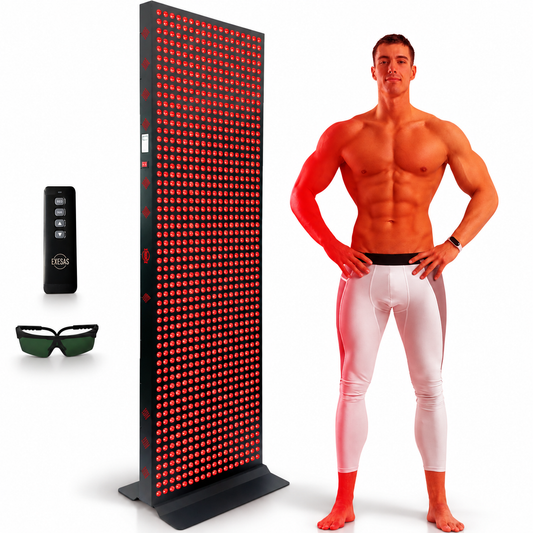
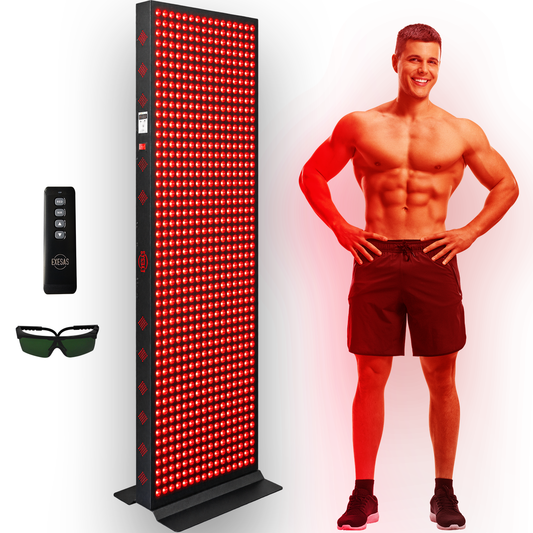
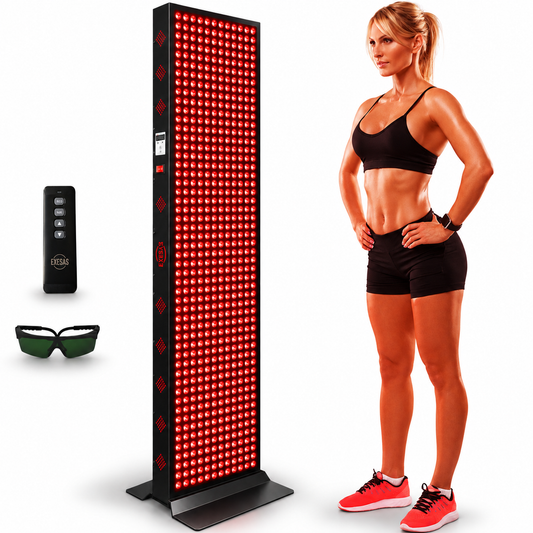
The EXESAS 324 LED, 1620W Dual-Chip Panel measures approximately 41 inches × 15 inches × 2.6 inches and includes 630nm, 660nm, 810nm, and 850nm wavelengths. EXESAS lists the device with a built-in timer, LCD controls, remote control, base stand, sunglasses, door mount, and adjustable hanging kit.
Good fit for: users seeking more coverage for the neck, chest, upper body, or a routine that reaches beyond facial skincare.
What to Look For Before Buying a Device for Skin
Before choosing a mask or panel, compare the details that affect daily use and long-term value.
1. Intended Treatment Area
Choose a device designed for the areas you plan to include. A mask is focused on the face, while a panel can be positioned for additional areas.
2. Wavelength Information
Look for clear product specifications that state the wavelengths included in the device. A transparent product description helps you compare options before purchasing.
3. Session Instructions
Review session time, positioning, distance, frequency, and eye protection guidance. A device should make correct use easy to understand.
4. Setup and Convenience
A skincare tool that is difficult to use may not become part of your routine. Think about storage, positioning, stands, controls, and ease of use.
5. Regulatory Language and Documentation
When a device makes an FDA clearance claim, review the product information carefully. FDA clearance relates to a device being considered low risk; it does not guarantee a specific skincare result.
6. Warranty and Support
Red light therapy devices can be a meaningful purchase. Check warranty coverage, return information, and access to customer support before choosing a product.
Safety and Realistic Expectations for Skin Use
Red light therapy may feel simple to use, but skincare devices should still be approached carefully. The AAD recommends talking with a board-certified dermatologist before beginning an at-home red light routine, especially for people with light-sensitive conditions, medications that increase sensitivity to light, or concerns about pigmentation.
The AAD also notes that temporary mild pain or irritated skin can occur in some people. Stop using the device and seek qualified guidance if you develop concerning irritation or unexpected skin changes.
Practical Safety Checklist
- Read and follow the device directions before first use.
- Use the device only as directed for the intended area.
- Use eye protection or comfort accessories according to product guidance.
- Do not extend sessions beyond the product instructions.
- Talk with a dermatologist before use if you have a light-sensitive skin condition or take light-sensitive medication.
- Ask a dermatologist for guidance if you have concerns about hyperpigmentation or skin reactions.
Final Thoughts: Adding Red Light Therapy to a Skincare Routine
Red light therapy for skin has become a popular at-home option for shoppers who want to add a non-invasive light-based step to their routine. Research on red-light LED devices has produced encouraging findings for some visible signs of skin aging, but results vary and more research is still needed.
The best device for your routine depends on your goals. A wearable mask may appeal to someone focused on facial use. A compact panel can support face-focused sessions while providing added flexibility for areas like the neck or chest. A larger panel can fit shoppers who want a broader at-home wellness setup.
Choose a device with clear product information, follow the usage directions, approach skincare claims realistically, and talk with a qualified dermatologist for personal skin concerns.
Explore EXESAS Skin-Focused Light Therapy Options
Compare facial and panel-based devices designed to fit into an at-home skincare and wellness routine.
FAQs About Red Light Therapy for Skin
What is red light therapy for skin?
Red light therapy uses red or near-infrared light as part of a skin-focused routine. At-home devices commonly include masks, panels, and wands designed for repeated use according to their product instructions.
Can red light therapy improve the appearance of skin?
Some studies involving specific red-light LED devices have reported improvements in visible signs of skin aging, such as fine lines, rough-feeling skin, discoloration, and loose-looking skin. Results vary by device, use schedule, and individual skin.
Is a red light therapy mask or panel better for skincare?
A mask may be a practical fit for a face-focused routine. A panel offers more flexibility because it can be positioned for the face, neck, chest, or additional areas based on the device size.
How often should I use red light therapy for skin?
Follow the directions included with your exact device. Red light therapy is generally used consistently over time rather than as a one-time skincare session.
What wavelength is commonly used for skin-focused red light therapy?
660nm visible red light is commonly included in at-home red light therapy panels selected for skin-focused routines. Some panels also include near-infrared and additional wavelengths for broader use.
Should I talk with a dermatologist before using red light therapy at home?
A dermatologist can provide personal guidance before you begin, especially if you have a skin condition, concerns about pigmentation, light sensitivity, or take medication that can make your skin more sensitive to light.
Sources and Helpful Reading
- American Academy of Dermatology: Is Red Light Therapy Right for Your Skin?
- EXESAS FAQs: Product Usage and Session Information
- EXESAS VISO Red Light Therapy Mask Product Page
- EXESAS 80 LED, 400W Panel Specifications
- EXESAS 324 LED, 1620W Panel Specifications
This article is for educational purposes only and is not medical advice. Red light therapy is not a replacement for professional evaluation or treatment of a skin condition. Always follow the instructions for your device and consult a qualified healthcare provider with personal skin or health questions.