






Full Body Red Light Therapy at Home: A Beginner’s Guide
Red Light Therapy at Home
Full Body Red Light Therapy at Home: A Beginner’s Guide
Full body red light therapy at home has become a popular option for people who want a convenient way to build red light therapy into their wellness, recovery, skincare, or relaxation routine without scheduling repeated appointments outside the house.
Instead of using a small handheld device on one area at a time, a full body red light therapy panel gives you more coverage in a single session. That can make your routine easier, especially if you want to use red and near-infrared light across larger areas like your back, legs, shoulders, or torso.
This beginner’s guide will explain how full body red light therapy works, what type of panel to choose, how to set up your space, and what to know before you start.
Quick Answer: What Is Full Body Red Light Therapy at Home?
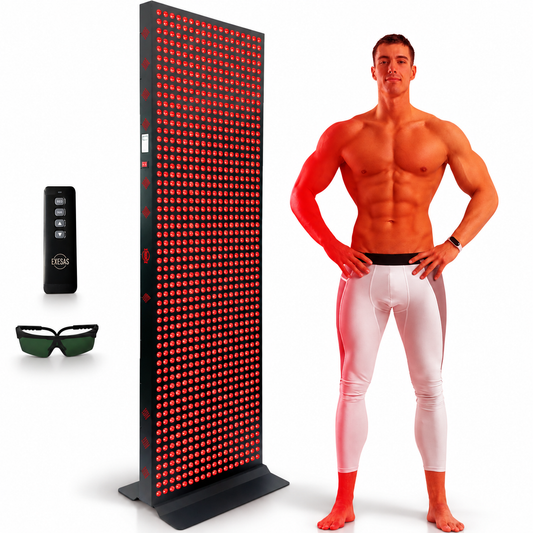
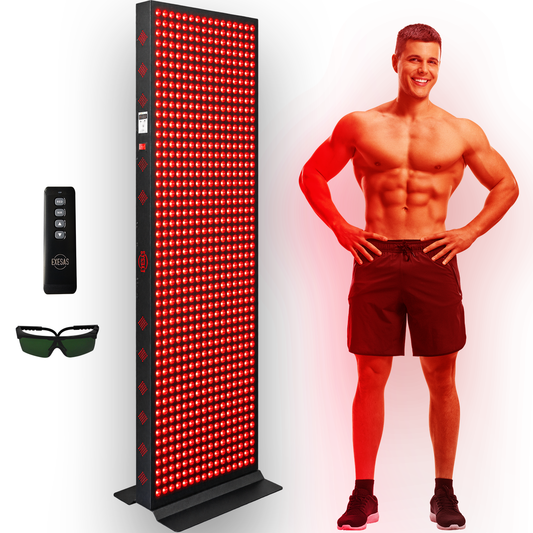
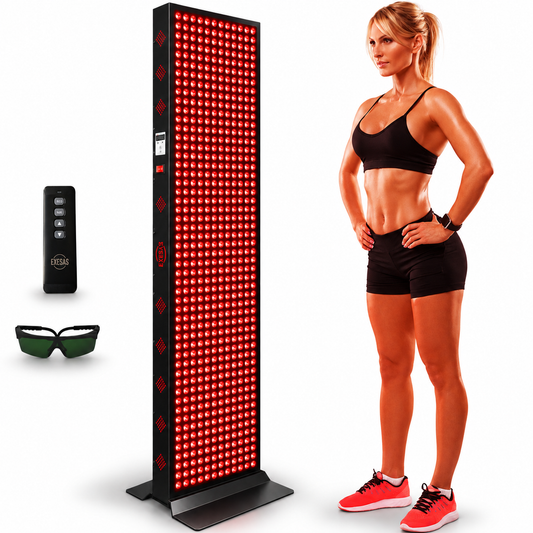
Full body red light therapy at home uses a larger red light therapy panel to expose more of the body to red and near-infrared light during a session. Larger panels can help reduce repositioning, make sessions more convenient, and support a more consistent home routine.
For beginners, the best setup is usually a panel that includes red and near-infrared wavelengths, a practical stand or mounting option, clear session controls, and enough coverage for your personal goals.
In This Guide
What Is Full Body Red Light Therapy?
Full body red light therapy uses a larger light panel to cover more of the body during a session. Instead of targeting only one small area, a full body setup is designed to make it easier to expose larger areas to red and near-infrared light.
Most full body red light therapy panels use a mix of visible red light and near-infrared light. Common wavelengths include 660nm red light and 850nm near-infrared light. Some advanced panels include additional wavelengths, such as 630nm and 810nm, for a broader light profile.
The main advantage of a full body panel is convenience. You can stand, sit, or lie near the panel depending on the setup, panel size, and instructions for your specific device.
Full Body Does Not Always Mean One Single Position
Even with a large panel, you may still need to change positions during a session. For example, you may face the panel for one part of the session and turn around for another. The larger the panel, the less repositioning you may need.
Why Use Full Body Red Light Therapy at Home?
Home red light therapy is attractive because it gives you control over your schedule. Instead of planning your routine around a spa, gym, clinic, or wellness center, you can use your panel when it fits into your day.
For many people, that convenience is the difference between using red light therapy regularly and not using it at all.
Common Reasons People Choose a Home Setup
- They want a consistent wellness routine at home.
- They want broader coverage than a mask, wand, or wrap.
- They want a convenient option after workouts.
- They want a dedicated setup in a home gym, bedroom, office, or wellness space.
- They want to avoid repeated appointments outside the house.
- They want one panel that multiple people in the home can use.
Important note: Red light therapy is not a one-session fix. Results can vary based on the device, wavelengths, session time, distance, frequency, and personal factors. Always follow the instructions for your panel, use eye protection as recommended, and talk with a qualified healthcare provider if you have a medical condition, use light-sensitive medications, or have personal health concerns.
What Size Full Body Red Light Therapy Panel Do You Need?
Panel size is one of the biggest decisions. A larger panel gives you more coverage, but it also requires more space and a larger budget. A smaller panel costs less and is easier to move, but it may require more position changes during each session.
The right choice depends on your goals, space, and how serious you are about building red light therapy into your routine.
| Panel Size | Best For | What to Know |
|---|---|---|
| Compact Panel | Beginners, small spaces, targeted use | Great entry point, but not ideal for fast full body coverage. |
| Mid-Size Panel | Regular home users, upper body, lower body, shared use | A strong balance of coverage, cost, and practicality. |
| Large Full Body Panel | Serious home routines, athletes, home gyms, broader body use | More coverage in less time, but needs more space and setup planning. |
For Beginners
If you are new to red light therapy, a compact or mid-size panel may be the easiest way to start. You can learn your routine, understand your preferred distance and session timing, and decide if you want to upgrade later.
For Consistent Home Use
If you already know you want red light therapy as part of your weekly routine, a mid-size panel often makes the most sense. It gives you more coverage than a starter panel while still fitting comfortably in most homes.
For Full Body Coverage
If your goal is full body use, a larger panel is usually the better long-term investment. It can make sessions more efficient and reduce the amount of moving and repositioning required.
What Features Matter Most in a Full Body Panel?
Do not buy a full body red light therapy panel based on size alone. A good panel should combine coverage, quality wavelengths, practical setup, and simple controls.
1. Red and Near-Infrared Wavelengths
Look for a panel that includes both red and near-infrared light. Many home users look for 660nm red light and 850nm near-infrared light. Advanced panels may also include wavelengths like 630nm and 810nm.
2. LED Count and Coverage Area
A higher LED count often gives the panel more coverage potential, but always compare the actual panel size too. A full body panel should be tall and wide enough to support the kind of routine you want.
3. Stand or Mounting Options
Setup matters a lot. A great panel that is awkward to position may not get used often. Look for a stand, hanging system, rolling stand, or powered stand that matches your space.
4. Timer and Controls
Simple controls make it easier to stay consistent. A built-in timer can help prevent guessing during your session.
5. Eye Protection
Eye protection is important with many red light therapy panels, especially higher-powered models. Follow the instructions provided with your device and use the included or recommended eye protection.
6. Warranty and Support
A full body panel is an investment. Look for clear product details, helpful support, and warranty coverage before buying.
Shop Full Body Red Light Therapy Panels
Explore EXESAS red light therapy panels designed for at-home wellness routines, larger coverage, and full body setup options.
How to Set Up Full Body Red Light Therapy at Home
Your setup can make or break the routine. If your panel is easy to access and simple to use, you are more likely to stay consistent.
Choose the Right Room
Pick a space where you can stand, sit, or lie comfortably near the panel. Popular options include a home gym, bedroom, spare room, office, bathroom, or wellness corner.
Leave Enough Space Around the Panel
You need enough room to position your body at the recommended distance from the panel. Check the instructions for your specific EXESAS model and keep the area clear of clutter.
Use a Stand if You Want More Flexibility
A stand can make the panel easier to position. This is especially helpful for larger panels or households where different people may use the device for different areas of the body.
Keep Eye Protection Nearby
Store eye protection with the panel so it is easy to remember before each session.
Make the Space Easy to Use
Keep your routine simple. If you have to move furniture, dig out cords, or set up several pieces every time, you may use the panel less often.
How to Build a Beginner Full Body Red Light Therapy Routine
Start by reading the instructions for your specific panel. Follow the recommended distance, session time, and safety guidance from the manufacturer.
For beginners, the goal is not to do the longest session possible. The goal is to build a consistent routine that is easy to repeat.
A Simple Beginner Framework
- Choose your goal: Skin appearance, recovery routine, relaxation, or general wellness.
- Pick your session area: Front body, back body, upper body, lower body, or targeted zone.
- Follow device instructions: Use the recommended distance and session time.
- Use eye protection: Follow the safety guidance included with your device.
- Track consistency: Note how often you use the panel and how the routine fits your schedule.
Example Home Routine
A beginner may choose to use the panel several times per week, starting with short sessions based on the product instructions. Some users prefer morning sessions as part of their wellness routine, while others prefer after a workout or later in the day.
The best routine is the one you can keep doing. Consistency matters more than making the routine complicated.
Full Body Panel vs Small Red Light Therapy Device
A small red light therapy device can still be useful. The difference is coverage and convenience.
| Option | Best For | Possible Limitation |
|---|---|---|
| Small Device | Face, neck, joints, targeted use, travel | Requires more time and repositioning for larger areas. |
| Mid-Size Panel | Home routines, upper body, lower body, shared use | May not cover the full body in one position. |
| Large Full Body Panel | Broad coverage, serious users, home gyms, full body routines | Requires more space and a larger upfront investment. |
If your main goal is a simple facial routine, a smaller option may work. If you want a more complete home wellness setup, a larger panel gives you more room to grow.
Recommended EXESAS Panels Based on Your Goal
EXESAS offers red light therapy panels for different home setups, from compact beginner panels to larger full body options.
For Beginners: EXESAS 80 LED, 400W Dual-Chip Panel
This compact panel includes 660nm red light and 850nm near-infrared light, making it a practical starting point for home users who want both core wavelengths in a smaller device.
Good fit for: first-time users, smaller spaces, targeted routines, face, neck, shoulders, and starter home setups.
For Regular Home Use: EXESAS 324 LED, 1620W 4-Wavelength Panel
This mid-size EXESAS panel gives users more coverage than a compact starter panel and includes 4-wavelength technology for a broader red and near-infrared light profile.
Good fit for: regular home wellness routines, shared use, upper body, lower body, and people who want a stronger home setup.
For Full Body Coverage: EXESAS 1216 LED, 6080W Full Body Panel
The EXESAS 1216 LED, 6080W panel is designed for users who want a large full body red light therapy setup at home. Its larger size gives serious users more coverage and a more complete experience.
Good fit for: full body routines, athletes, home gyms, wellness-focused households, and high-use home setups.
Common Beginner Mistakes to Avoid
Mistake 1: Buying a Panel That Is Too Small
If you want full body red light therapy at home, a very small panel may become frustrating over time. You may need to reposition too often to cover the areas you care about.
Mistake 2: Ignoring the Setup
A panel that is difficult to place, move, or mount may not get used often. Think about your room, stand, storage, and access before buying.
Mistake 3: Expecting Instant Results
Red light therapy is usually a consistency-based routine. Set realistic expectations and give your routine time.
Mistake 4: Skipping Eye Protection
Always follow the safety instructions included with your device. Use eye protection as recommended.
Mistake 5: Overcomplicating the Routine
Start simple. Choose a realistic schedule, follow the product instructions, and make the panel easy to use.
Is Full Body Red Light Therapy at Home Worth It?
Full body red light therapy at home may be worth it if you plan to use it consistently and want a more convenient option than repeated appointments outside the home.
The biggest value comes from convenience. A home panel can be used on your schedule, shared by multiple people in the household, and built into your normal wellness routine.
That said, the right panel depends on your goals. A compact panel may be enough for targeted use. A large full body panel makes more sense if you want broader coverage and a more complete setup.
Final Thoughts: Starting Full Body Red Light Therapy at Home
Full body red light therapy at home can be a practical way to build a consistent wellness routine. The key is choosing a panel that fits your goals, your space, and your budget.
If you are new to red light therapy, start with the basics: quality wavelengths, enough coverage, simple controls, safe use, and a setup that makes consistency easy.
EXESAS offers options for beginners, regular home users, and serious full body setups, making it easier to choose a panel that fits the way you actually plan to use it.
Build Your Full Body Red Light Therapy Setup
Explore EXESAS red light therapy panels for targeted use, larger coverage, and full body home wellness routines.
FAQs About Full Body Red Light Therapy at Home
What is full body red light therapy?
Full body red light therapy uses a larger red light therapy panel to expose more of the body to red and near-infrared light during a session. It is designed for broader coverage compared to smaller handheld devices, masks, or wraps.
Can you do full body red light therapy at home?
Yes, many people use larger red light therapy panels at home. The right setup depends on your panel size, room space, stand or mounting option, and the instructions for your specific device.
What size red light therapy panel is best for full body use?
For full body use, a larger panel is usually more convenient because it covers more area at once. Mid-size panels can still work well, but they may require more repositioning during each session.
How often should beginners use full body red light therapy?
Beginners should follow the instructions for their specific panel. Many users start with short, consistent sessions and build the routine around the manufacturer’s recommended distance, timing, and frequency.
Do you need eye protection for full body red light therapy?
Eye protection is recommended with many red light therapy panels, especially larger or higher-powered models. Always follow your device instructions and use the included or recommended eye protection.
Is a full body red light therapy panel better than a small device?
A full body panel is usually better for broader coverage and convenience. A small device can still be useful for targeted areas, smaller spaces, or beginners who want a lower-cost starting point.
Sources and Helpful Reading
- American Academy of Dermatology: Is red light therapy right for your skin?
- Cleveland Clinic: Red Light Therapy Benefits, Side Effects and Uses
- Stanford Medicine: Red light therapy, what the science says
This article is for educational purposes only and is not medical advice. Always follow the instructions for your device and consult a qualified healthcare provider with personal health questions.