






Best Red Light Therapy Panel for Home Use: What to Look For
Red Light Therapy Buying Guide
Best Red Light Therapy Panel for Home Use: What to Look For Before You Buy
Choosing the best red light therapy panel for home use can feel overwhelming at first. Between wavelengths, panel sizes, wattage, irradiance, stands, timers, and price points, it is easy to compare products without knowing what actually matters.
The good news is that the right panel becomes much easier to choose once you know your goal. Some people want a compact red light therapy device for a simple wellness routine. Others want a larger full-body red light therapy panel for more coverage, easier sessions, and a more complete at-home setup.
This guide will walk you through the most important things to compare before buying a red light therapy panel for home use, including wavelengths, size, coverage area, setup, safety, and long-term value.
Quick Answer: What Makes a Good Red Light Therapy Panel for Home Use?
The best red light therapy panel for home use should have quality LEDs, useful red and near-infrared wavelengths, enough coverage for your goals, simple controls, built-in session timing, proper eye protection, and a setup that makes it easy to use consistently.
For many home users, a panel with both 660nm red light and 850nm near-infrared light is a strong starting point. Larger full-body panels can be a better fit for users who want more coverage in less time.
In This Guide
Why Choose a Red Light Therapy Panel Instead of a Smaller Device?
Red light therapy comes in many forms, including masks, handheld devices, wraps, beds, lamps, and panels. For home users, panels are one of the most practical options because they offer broader coverage and can be used for more than one area of the body.
A small handheld device may work for a very targeted area, but it usually takes more time and effort to cover the face, back, legs, shoulders, or full body. A panel can make the process easier because you can sit or stand in front of it and treat a larger area during one session.
That is why many buyers start with a red light therapy panel for home use instead of a smaller single-purpose device. A panel gives you more flexibility as your routine grows.
Common Reasons People Buy Red Light Therapy Panels
- To create a consistent at-home wellness routine
- To support the appearance of skin
- To use after workouts as part of a recovery routine
- To support general comfort and relaxation
- To avoid repeated spa or clinic visits
- To get broader coverage than a mask, wand, or wrap
Important note: Red light therapy results can vary based on the device, wavelength, distance, treatment time, consistency, and the person using it. Always follow your device instructions, use eye protection as recommended, and talk with a healthcare provider if you have a medical condition or concerns before starting a new wellness routine.
What Wavelengths Should a Home Red Light Therapy Panel Have?
One of the first things to compare is wavelength. In simple terms, wavelengths describe the type of light the device emits. Many red light therapy panels use a mix of visible red light and near-infrared light.
660nm Red Light
660nm is one of the most common red light wavelengths used in at-home panels. It is visible red light and is often associated with skin-focused routines. Buyers looking for a red light therapy panel for skin appearance, glow, or general beauty routines often look for this wavelength.
850nm Near-Infrared Light
850nm is near-infrared light. Unlike visible red light, near-infrared light is not seen in the same way by the human eye. It is commonly used in panels designed for broader wellness and recovery-focused routines.
4-Wavelength Panels
Some EXESAS panels include 4-wavelength technology, giving users a broader range of red and near-infrared light options in one device. This can be helpful for shoppers who want a more advanced panel instead of a basic entry-level setup.
For many home users, a panel that includes both red and near-infrared wavelengths is a smart choice because it gives the device more flexibility for different routines.
What Size Red Light Therapy Panel Do You Need?
Panel size is one of the biggest buying decisions. A smaller panel can be more affordable and easier to move, while a larger panel gives you more treatment coverage in a single session.
Think about how you plan to use the device most often. If you only want to target your face, neck, or one specific area, a smaller panel may be enough. If you want to use red light therapy for your back, legs, torso, or full-body routine, a larger panel may be worth the investment.
| Panel Type | Best For | Why It May Be a Good Fit |
|---|---|---|
| Small Panel | Beginners, face, neck, targeted areas | Lower starting cost, easier to move, simple for short routines |
| Mid-Size Panel | Home wellness routines, upper body, lower body, shared family use | More coverage than small panels while still fitting most homes |
| Large Full-Body Panel | Full-body coverage, athletes, high-use households, serious wellness routines | Covers more area at once and can make sessions more efficient |
Small Panels Are Great for Starting Out
A smaller red light therapy panel is a good option for people who want to test red light therapy at home without committing to a large full-body system. These panels can work well for targeted use and are easier to fit into smaller spaces.
Larger Panels Are Better for Coverage
If you want a more complete home setup, larger panels are often the better long-term choice. With more LEDs and a taller treatment area, a full-body red light therapy panel can help reduce the amount of repositioning needed during a session.
Important Features to Compare Before Buying
Once you know the general size you want, compare the features that impact daily use. The best red light therapy panel is not always the biggest or most expensive. It is the one that you will actually use consistently.
1. Red and Near-Infrared Wavelengths
Look for a panel that clearly lists its wavelengths. A common setup is 660nm red light and 850nm near-infrared light. More advanced models may include additional wavelengths for a broader light profile.
2. LED Quality and Panel Design
LED count, chip design, and build quality all matter. EXESAS offers dual-chip LED panels across multiple models, which helps provide both red and near-infrared light in one device.
3. Coverage Area
A panel’s dimensions help determine how much of your body can be exposed during a session. If you are comparing two panels, look beyond wattage alone and check the physical size, LED count, and intended coverage area.
4. Timer and Controls
A built-in timer makes it easier to keep sessions consistent. Simple controls matter more than people realize, especially if you plan to use your panel several times per week.
5. Stand or Mounting Options
Setup matters. A panel that is hard to position may not get used often. Look for options like base stands, rolling stands, hanging kits, or powered stands depending on your space and goals.
6. Eye Protection
Eye protection is important, especially with high-powered panels. Follow the instructions provided with your device and use the included or recommended eye protection during sessions.
7. Warranty and Support
Red light therapy panels are an investment. A strong warranty, clear support, and easy access to product information can make the buying decision easier.
Shop Red Light Therapy Panels for Home Use
Explore EXESAS red light therapy panels designed for at-home wellness routines, targeted use, and full-body coverage.
How to Choose the Right Home Setup
The best red light therapy panel for home use should fit naturally into your routine. Before buying, think about where you will use it, how much space you have, and how often you plan to use it.
For Small Spaces
A compact panel may be the most practical choice if you live in an apartment, have limited floor space, or want something easy to store. Smaller panels are also easier to move from room to room.
For a Dedicated Wellness Area
If you have a home gym, office, spare room, or wellness corner, a larger panel with a stand may be a better fit. This makes it easier to keep the panel set up and ready to use.
For Full-Body Sessions
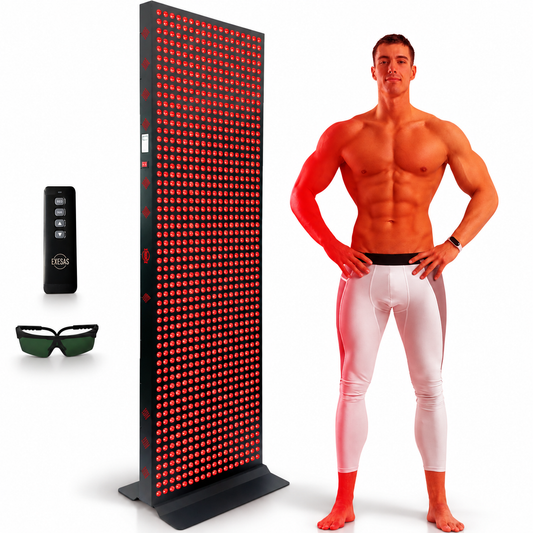
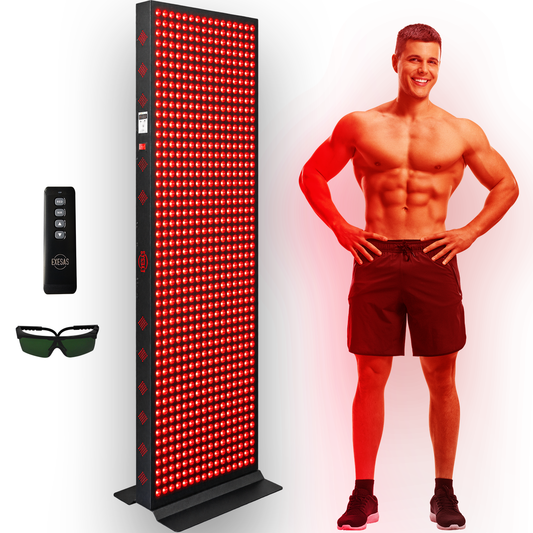
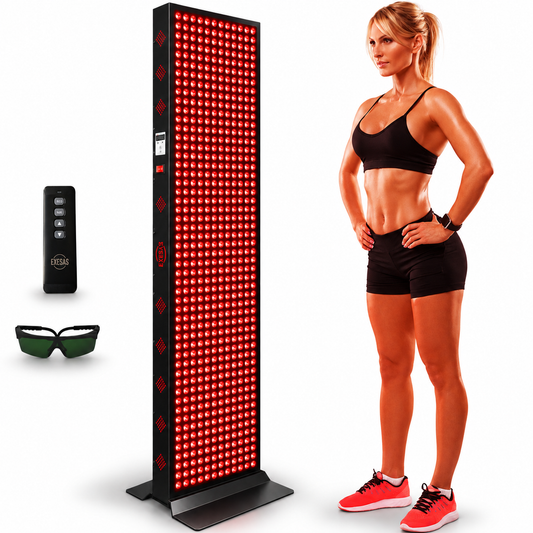
If your goal is full-body red light therapy at home, prioritize panel height, LED count, and stand options. A taller panel can help cover more of the body in one position, which may make sessions more convenient.
How Much Should You Spend on a Red Light Therapy Panel?
Price can range widely depending on size, LED count, wavelength options, accessories, and build quality. The right budget depends on your goals.
If you are new to red light therapy and want to start small, an entry-level panel may be a good fit. If you already know you want a long-term wellness setup, investing in a larger panel can make more sense because it offers more coverage and a more complete experience.
A helpful way to think about cost is to compare the panel to repeated appointments or treatments outside the home. A home panel is a one-time purchase that can be used regularly as part of your own routine.
Recommended EXESAS Panels Based on Your Goal
EXESAS offers several red light therapy panels for different budgets, spaces, and routines. Here is a simple way to think through your options.
For Beginners or Targeted Use
If you are just getting started, a smaller EXESAS panel can be a practical entry point. These panels are easier to move, easier to store, and helpful for more targeted routines.
Good fit for: face, neck, shoulders, smaller areas, compact spaces, first-time users.
For a Strong Home Wellness Routine
Mid-size panels are a great middle ground for people who want more coverage without jumping straight into the largest full-body models.
Good fit for: regular home use, upper body, lower body, couples, shared household routines.
For Full-Body Coverage
If you want a more complete full-body setup, larger EXESAS panels provide more LED coverage and can make sessions more efficient.
Good fit for: athletes, high-use households, full-body wellness routines, home gyms, and serious users.
Red Light Therapy Panel Buying Checklist
Before you choose a panel, use this simple checklist:
- Does the panel include red and near-infrared wavelengths?
- Does the panel size match the area you want to use it for?
- Does it include a timer or simple session controls?
- Does it come with eye protection or clear safety guidance?
- Can it be placed, mounted, or positioned easily in your home?
- Does the brand offer support, product details, and warranty coverage?
- Is it easy enough to use several times per week?
Common Mistakes to Avoid
Buying Only Based on Price
The cheapest panel is not always the best value. If it is too small, hard to use, or missing important features, you may outgrow it quickly.
Ignoring Panel Size
Many shoppers focus on wattage and forget about physical coverage. Always check the panel dimensions and think about the body areas you want to use it for.
Expecting Overnight Results
Red light therapy is usually a consistency-based routine. Many users include it as part of a larger wellness, skincare, or recovery habit rather than expecting instant results from one session.
Skipping Safety Instructions
Follow the manufacturer’s instructions, use eye protection as directed, and avoid overusing the device beyond recommended session times.
Final Thoughts: What Is the Best Red Light Therapy Panel for Home Use?
The best red light therapy panel for home use is the one that matches your goals, your space, and your routine. For beginners, a smaller panel may be the right starting point. For people who want more coverage, a mid-size or full-body panel may be a better long-term investment.
Look for quality wavelengths, enough coverage, simple controls, eye protection, good setup options, and a brand that makes the buying process clear. When your panel is easy to use, it is much easier to stay consistent.
If you are ready to compare options, EXESAS offers red light therapy panels for targeted use, full-body coverage, and advanced at-home wellness routines.
Find the Right EXESAS Panel for Your Home
Shop red light therapy panels designed for home users who want quality, coverage, and a simple way to build a consistent routine.
FAQs About Red Light Therapy Panels for Home Use
What is the best red light therapy panel for home use?
The best red light therapy panel for home use depends on your goals. A smaller panel may be enough for targeted areas, while a larger full-body panel is better for people who want more coverage and fewer position changes during each session.
What wavelengths should I look for in a red light therapy panel?
Many home users look for panels that include both 660nm red light and 850nm near-infrared light. Some advanced panels include additional wavelengths for a broader light profile.
Are bigger red light therapy panels better?
Bigger panels are not automatically better for every person, but they do offer more coverage. If you want to use red light therapy on larger areas like your back, legs, or full body, a larger panel can make your routine easier.
How often should I use a red light therapy panel?
Follow the instructions for your specific device. Many users start with short, consistent sessions and adjust based on the product guidelines, comfort level, and personal routine.
Do I need eye protection with a red light therapy panel?
Yes, eye protection is recommended with many red light therapy panels, especially higher-powered devices. Always follow the product instructions and use the included or recommended eye protection.
Is a red light therapy panel worth it for home use?
A red light therapy panel may be worth it if you plan to use it consistently and want a convenient at-home option. The best value usually comes from choosing the right size and setup for your routine.
Sources and Helpful Reading
- American Academy of Dermatology: Is red light therapy right for your skin?
- Stanford Medicine: Red light therapy, what the science says
- Cleveland Clinic: Red Light Therapy Benefits, Side Effects and Uses
- Federal Trade Commission: Health Claims Guidance
This article is for educational purposes only and is not medical advice. Always follow the instructions for your device and consult a qualified healthcare provider with personal health questions.