





Red Light Therapy Panel vs Mask: Which Is Better?
Red Light Therapy Buying Guide
Red Light Therapy Panel vs Mask: Which One Should You Buy?
If you are considering red light therapy at home, you may be trying to decide between a red light therapy panel and a red light therapy mask. Both are common home-use options, but they are designed for very different routines.
A mask is typically designed for convenient, face-focused use. A panel gives you more flexibility because it can be positioned for your face, neck, shoulders, back, legs, or larger body areas depending on its size.
So, which is the better choice? It depends on your goal. If you only want a facial skincare routine, a mask may be convenient. If you want a device that can support facial use and broader home wellness routines, a red light therapy panel may provide more room to grow.
Quick Answer: Red Light Therapy Panel vs Mask
A red light therapy mask is generally built for hands-free, face-focused use. It may appeal to shoppers who want a simple skincare routine with minimal setup.
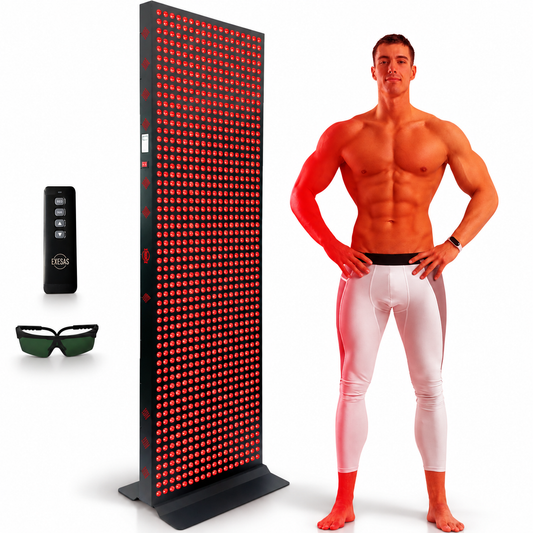
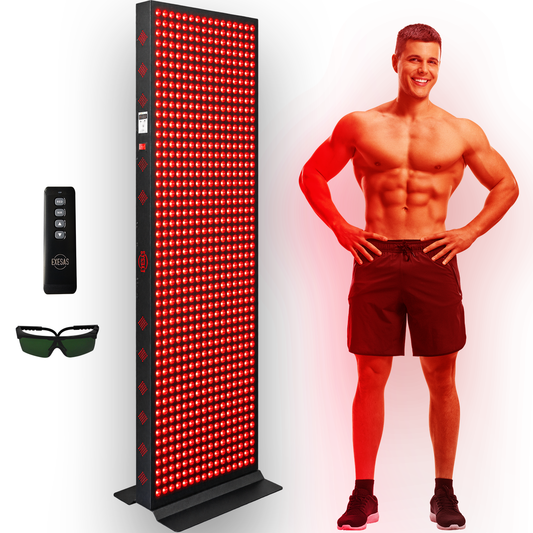
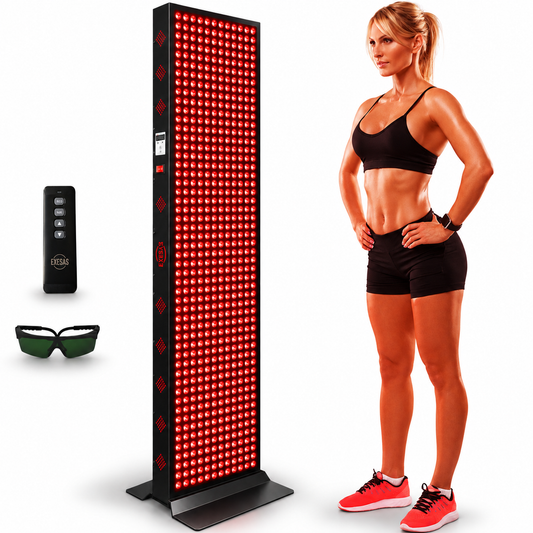
A red light therapy panel can be used on the face as well as larger areas of the body. It is often a better fit for users who want more coverage, more flexibility, or a full-body red light therapy routine at home.
For shoppers who want one device that can support multiple routines, a panel is usually the more versatile option.
In This Guide
What Is a Red Light Therapy Panel?
A red light therapy panel is a flat light-based device that can be placed in front of the area you want to expose during a session. Panels range from small, targeted models to larger full-body systems.
Many panels use both visible red light and near-infrared light. Common wavelengths include 660nm red light and 850nm near-infrared light. Some advanced panels include additional wavelengths for users who want a broader light profile.
The key advantage of a panel is flexibility. A single panel can fit into several kinds of routines, including face-focused sessions, upper-body sessions, post-workout routines, and larger full-body setups.
People Often Choose Panels For:
- Face, neck, and chest routines
- Shoulders, back, legs, and other larger areas
- Home wellness spaces and home gyms
- Shared use in a household
- Full-body red light therapy routines
- More flexibility than a face-only device
What Is a Red Light Therapy Mask?
A red light therapy mask is a wearable device shaped to fit over the face. Masks are generally designed for facial routines and can be convenient because they sit close to the skin and do not require a separate stand or mounting area.
For shoppers focused only on the face, a mask can feel simple and familiar. You put it on, complete the session according to the product directions, and remove it when finished.
The main limitation is coverage. A mask is designed around the face, so it does not usually solve the needs of someone who also wants to use red and near-infrared light on the neck, chest, shoulders, back, legs, or larger areas of the body.
People Often Consider Masks For:
- Face-focused skincare routines
- Hands-free use while sitting or resting
- Compact storage
- A routine limited primarily to facial use
Important note: The effectiveness of an at-home red light device can vary based on the device, wavelength, session time, consistency, and personal factors. It is not appropriate to assume that every mask or every panel produces the same result. Always follow the instructions for the specific device you choose.
Red Light Therapy Panel vs Mask: Side-by-Side Comparison
| Feature | Red Light Therapy Panel | Red Light Therapy Mask |
|---|---|---|
| Primary Use | Face, neck, upper body, lower body, or larger areas based on size | Facial routines |
| Coverage | Varies from targeted to full-body coverage | Primarily covers the face |
| Flexibility | Can support multiple types of home routines | Designed mainly for one area |
| Setup | May require a table, stand, hanging system, or dedicated space | Wearable with minimal positioning |
| Shared Household Use | Easy to position for different users and goals | Can be shared, but fit and face contact may matter to users |
| Best Fit | Shoppers who want broader use and long-term flexibility | Shoppers focused almost entirely on facial routines |
Which Option Is Better for Your Goal?
There is no single correct choice for every shopper. The right device depends on how you actually plan to use it.
If Your Main Goal Is a Face-Focused Routine
A mask may appeal to you because it is wearable and designed specifically around the face. A small panel can also support face-focused use while giving you the option to use it on your neck, chest, shoulders, or other targeted areas later.
If You Want Face and Body Flexibility
A panel is generally the stronger fit because it is not limited to the shape of your face. You can position it for different areas based on your routine and the size of the device.
If You Want Full-Body Coverage
A mask is not designed for this goal. A mid-size or large red light therapy panel is the more practical option for users who want to build a broader at-home routine.
If Multiple People Will Use the Device
A panel may be easier to share because each person can position it for their preferred area without relying on a face-fitting wearable design.
If You Have Limited Space
A mask takes up very little room. A compact panel can also work well in smaller spaces while offering more coverage choices than a facial device alone.
Why Coverage Matters When Choosing a Device
Coverage is one of the biggest practical differences between a panel and a mask. A facial mask is made for one specific area. A panel can cover different areas depending on its dimensions and how it is positioned.
This matters because many shoppers begin with an interest in facial use, then later become interested in using red light therapy as part of a broader home wellness or recovery routine.
If you purchase a mask, your device remains primarily focused on the face. If you choose a panel, you can use it for facial sessions and still have the option to position it for additional areas.
Coverage Example
| Area You Want to Use | Mask Fit | Panel Fit |
|---|---|---|
| Face | Designed for this area | Can be positioned for this area |
| Neck and Chest | Limited or not covered | Possible with compact or mid-size panels |
| Shoulders and Back | Not designed for this use | Possible based on panel size |
| Legs | Not designed for this use | Possible based on panel size |
| Full-Body Routine | Not designed for this use | Large panels are built for broader coverage |
Looking for More Than a Face-Only Device?
EXESAS panels give you options for targeted sessions, broader home routines, and full-body red light therapy setups.
Panel vs Mask for Skin-Focused Use
Both panels and masks are sold for skin-focused routines. A mask keeps the routine limited to the face, while a compact panel can allow facial use plus additional areas like the neck or chest.
The American Academy of Dermatology notes that at-home red light products come in forms such as masks, panels, and wands. It also explains that results from one device cannot simply be compared with results from another device because studies use different devices, schedules, and research methods.
That means the best shopping decision is not based on device shape alone. You should also consider the wavelengths, instructions, ease of use, safety information, quality, and the area you want to include in your routine.
Panel vs Mask for Broader Wellness Routines
If your goal reaches beyond facial use, a red light therapy panel makes more practical sense. A panel can be positioned for larger areas, and bigger panel sizes can make it easier to include more of the body in a session.
For example, a user interested in a post-workout routine may want to position a panel near the legs, shoulders, or back. A user building a wellness space at home may prefer a larger panel with a stand for easier placement.
A mask simply does not provide that type of versatility because it is designed around facial coverage.
Do Panels and Masks Use the Same Wavelengths?
Wavelengths vary by device. This is why shoppers should check the specifications before buying.
Many red light therapy panels include both visible red light and near-infrared light. Common wavelengths include 660nm red light and 850nm near-infrared light. Several EXESAS panel models include additional wavelengths, such as 630nm and 810nm, for a broader light profile.
To learn more about wavelengths before selecting a panel, read our guide: 660nm vs 850nm Red Light Therapy: What’s the Difference?
When a Red Light Therapy Panel May Be the Better Choice
A red light therapy panel may be a better fit than a mask if any of these statements describe your goals:
- You want to use red light therapy on areas beyond your face.
- You want one device for both targeted and broader routines.
- You are interested in a full-body red light therapy setup.
- You want a device that can be used by multiple people in your household.
- You want the option to use a stand or create a dedicated wellness space.
- You want to start small and have the option to choose larger panel coverage later.
If your only interest is a wearable device for facial use, a mask may feel more convenient. If you want flexibility and broader coverage, a panel can be the more practical long-term choice.
What to Look For in a Red Light Therapy Panel
Once you decide that a panel better fits your goals, compare the features that make a real difference in home use.
1. Coverage Area
Think about the areas you actually want to include in your routine. A smaller panel may work well for targeted sessions. A larger panel is often more convenient for broader use.
2. Wavelengths
Look for clearly listed red and near-infrared wavelengths. This makes it easier to understand what the panel offers before you buy.
3. Panel Setup
Consider how you will position your device. Compact panels may work on a tabletop or with included accessories. Larger panels may benefit from a rolling stand or powered stand.
4. Timer and Controls
Simple controls and a built-in timer can make your routine easier to follow. For session timing guidance, read: How Long Should You Use a Red Light Therapy Panel?
5. Warranty and Support
A red light therapy panel is a purchase you may plan to use regularly. Product support, warranty details, and clear instructions should be part of your decision.
Choosing an EXESAS Panel Based on Your Routine
EXESAS offers panel options ranging from compact targeted-use models to larger panels designed for broader at-home coverage.
For Face-Focused and Targeted Routines: EXESAS 80 LED, 400W Panel
The EXESAS 80 LED, 400W Dual-Chip Panel measures approximately 14.5 inches by 8.25 inches and includes 660nm red light and 850nm near-infrared light. Its compact size makes it a practical panel alternative for shoppers who initially considered a face-focused device but want the ability to use it on other targeted areas too.
Good fit for: face, neck, shoulders, targeted home use, smaller spaces, and beginners.
For More Coverage at Home: EXESAS 200 LED, 1000W Panel
The EXESAS 200 LED, 1000W Dual-Chip Panel measures approximately 36 inches tall and includes 4-wavelength technology. It is a stronger step up for users who want more coverage than a compact panel can provide.
Good fit for: regular home use, upper-body or lower-body positioning, households seeking more versatility, and shoppers moving beyond facial routines.
For an Expanded Home Routine: EXESAS 324 LED, 1620W Panel
The EXESAS 324 LED, 1620W Dual-Chip Panel is designed for shoppers who want even more coverage and a broader panel-based setup at home. It includes 4-wavelength technology and can fit users looking for more than a targeted routine.
Good fit for: larger treatment areas, more consistent home routines, shared household use, and users who want to move closer to a full-body setup.
Red Light Therapy Buying Checklist
Before choosing a mask or panel, ask yourself these questions:
- Do I want to use the device only on my face, or on other areas too?
- Do I want a compact routine or more coverage in one session?
- Am I interested in red light only, near-infrared light, or both?
- Will more than one person in my household use the device?
- Do I have space for a panel setup or stand?
- Does the device provide clear session and safety instructions?
- Does the brand offer clear warranty and support information?
Your answers will usually make the decision clearer. A mask can fit a simple face-only goal. A panel can support face-focused use while also giving you flexibility for larger areas and future routines.
Safety and Realistic Expectations
At-home red light therapy should be approached with realistic expectations. Results can vary, and not every device has been studied in the same way.
The American Academy of Dermatology advises users to choose a device created for their goal, follow the directions provided with the device, and use eye protection when instructed. People with a light-sensitive condition or medication should talk with a qualified healthcare provider before beginning an at-home routine.
Use your EXESAS device according to its instructions, keep sessions consistent rather than excessive, and choose a setup that supports your actual routine.
Final Thoughts: Red Light Therapy Panel vs Mask
A red light therapy mask may be a practical choice for someone focused only on a convenient facial routine. A red light therapy panel offers more flexibility because it can be positioned for the face and larger areas of the body based on the panel size.
If you want a device that can grow with your routine, support more coverage, or become part of a full-body home wellness setup, a panel may be the better long-term choice.
EXESAS offers compact, mid-size, and larger red light therapy panels designed to help home users choose the coverage and setup that fit their goals.
Choose More Coverage for Your Home Routine
Explore EXESAS red light therapy panels for targeted facial use, broader coverage, and full-body home setups.
FAQs About Red Light Therapy Panels vs Masks
Is a red light therapy panel better than a mask?
A panel is generally more versatile because it can be used on the face and larger areas of the body. A mask may be more convenient for users focused only on a facial routine. The better choice depends on your goals and the device specifications.
Can I use a red light therapy panel on my face?
Many red light therapy panels can be positioned for facial routines. Always follow the instructions for your specific device, including distance, session time, and eye protection guidance.
What is the main difference between a red light therapy mask and panel?
A mask is wearable and primarily designed for the face. A panel can be positioned for different areas, giving users more flexibility for face-focused sessions, targeted body use, or broader routines depending on its size.
Is a panel better for full-body red light therapy?
Yes. A mask is designed around facial coverage, while larger red light therapy panels are built to provide broader coverage for home routines.
Are masks easier to use than panels?
Masks can be simple for face-only routines because they are wearable. Panels may require positioning, but they provide greater flexibility and can be used for more areas of the body.
Which EXESAS panel is best for someone considering a mask?
For shoppers starting with face-focused or targeted use, the EXESAS 80 LED, 400W Dual-Chip Panel is a compact option that includes both 660nm red light and 850nm near-infrared light while allowing use on additional targeted areas.
Sources and Helpful Reading
- American Academy of Dermatology: Is red light therapy right for your skin?
- EXESAS FAQs: Usage, wavelengths, distance, and safety information
- EXESAS Buyer Education: Best Red Light Therapy Panel for Home Use
- EXESAS Buyer Education: Full Body Red Light Therapy at Home
This article is for educational purposes only and is not medical advice. Always follow the instructions for your device and consult a qualified healthcare provider with personal health questions.